How to Prevent Your Pipes from Freezing This Winter
Winter can be a magical season, filled with snowflakes, cosy fires, and holiday joy. However, it also brings with it the potential for plumbing nightmares. Frozen pipes are not only inconvenient but can lead to costly repairs if they burst. Thankfully, there are several strategies you can employ to prevent your pipes from freezing. Here’s a guide to help you keep your plumbing safe and sound throughout the chilly months.
Understanding the Risk
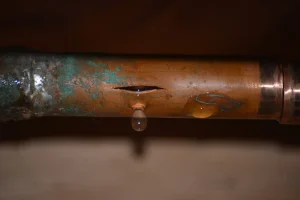
When temperatures drop, the water inside pipes can freeze, expanding and increasing pressure. This pressure can cause pipes to crack or burst, leading to significant water damage and expensive repair bills. Pipes located in unheated or poorly insulated areas, such as basements, attics, or exterior walls, are particularly vulnerable.
Tips to Prevent Frozen Pipes
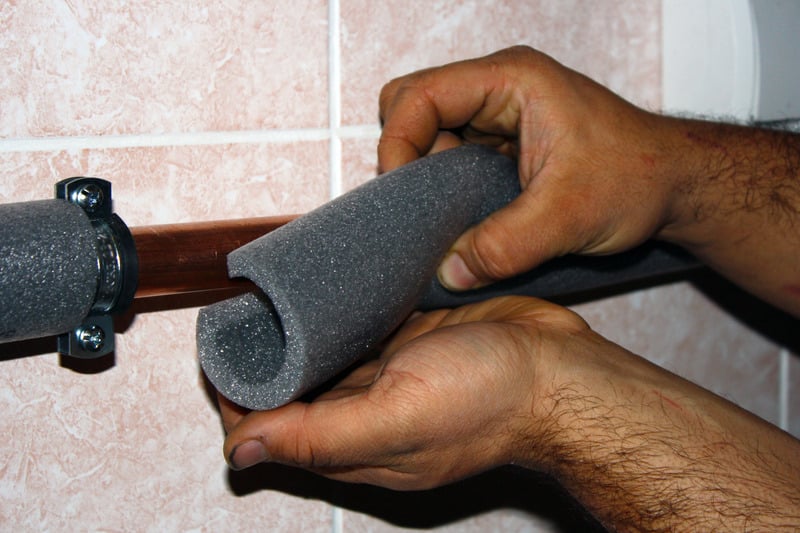
1. Insulate Your Pipes
2. Seal Leaks and Cracks
Inspect your home for any gaps or cracks near pipes, particularly in areas exposed to the cold. Seal these with caulk or spray foam to keep cold air out and warm air in. This is especially important around windows, doors, and the foundation of your home.
3. Keep the Heat On
During extreme cold spells, keep your thermostat set to a consistent temperature, both day and night. A steady temperature helps ensure that all parts of your home, including less frequented areas, remain warm enough to prevent freezing.
4. Open Cabinet Doors
Many pipes are located under sinks and behind closed doors. By opening cabinet doors, you allow warm air to circulate around the plumbing. This simple step can make a significant difference, especially if your sink is located against an exterior wall.
5. Disconnect and Drain Outdoor Hoses
Before winter sets in, disconnect outdoor hoses and drain any remaining water. Shut off valves supplying outdoor taps, and consider installing frost-proof spigots for added protection.
6. Install a Pipe Heating Cable
For pipes that are particularly vulnerable, consider using a pipe heating cable. These cables are designed to keep pipes warm and can be a great investment for areas of your home that are consistently cold.
What to Do If Your Pipes Freeze
If you suspect that a pipe has frozen, act quickly to prevent it from bursting. First, turn off the water supply to reduce pressure. Then, gently apply heat to the frozen section of the pipe using a hairdryer, heating pad, or warm towels. Never use a blowtorch or open flame, as this can damage the pipe or cause a fire.
Conclusion
Preventing frozen pipes is all about preparation and vigilance. By taking these preventative measures, you can enjoy the beauty of winter without the stress of plumbing issues. Remember, a little effort now can save you a lot of hassle and expense later. Stay warm and keep your pipes safe this winter!